Introduction
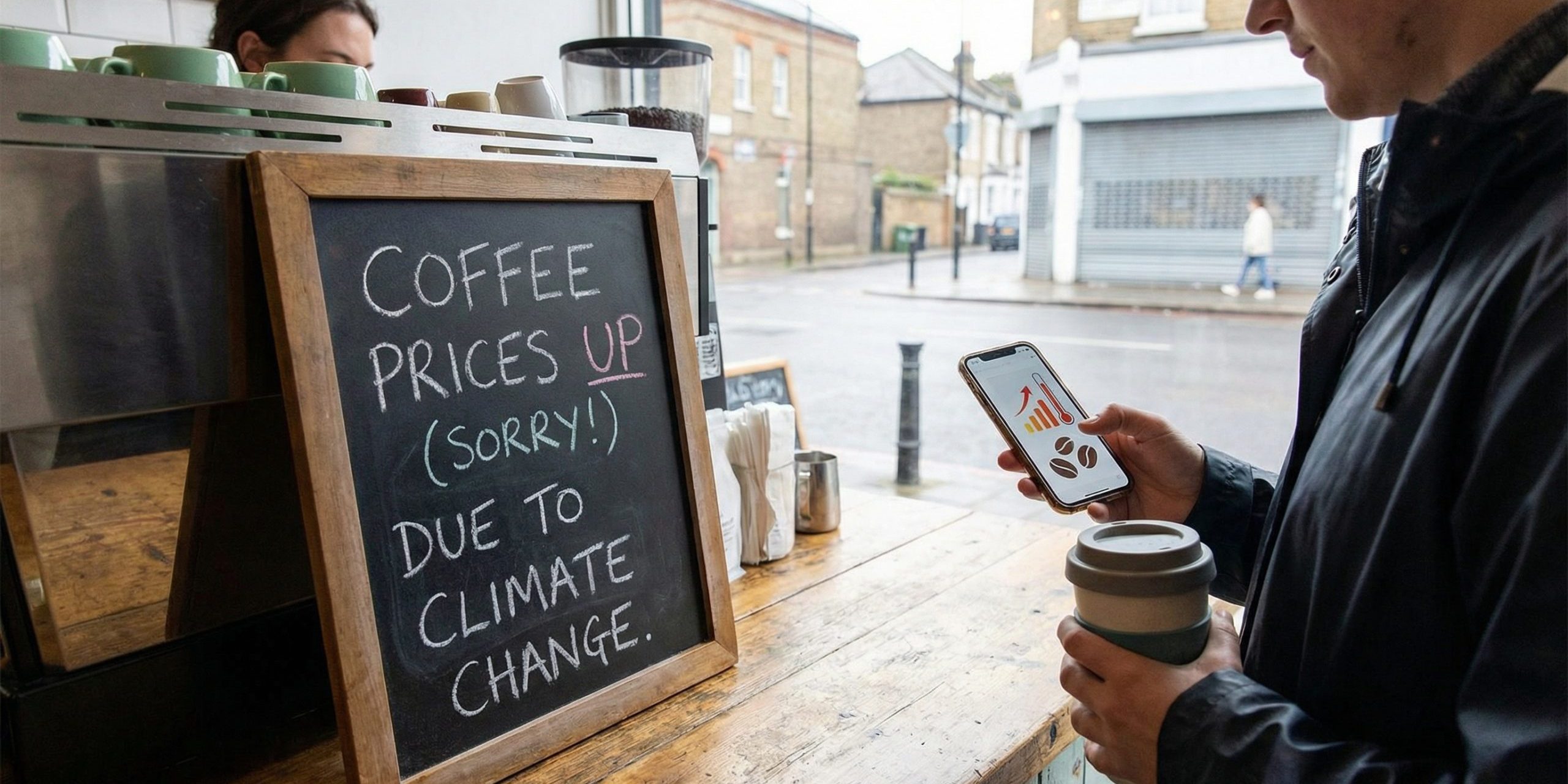
Ah, coffee! The morning nectar that turns zombie-like humans into functioning members of society. But lately, you might have noticed that your favourite cup of joe is burning a bigger hole in your wallet. The culprit? Climate change. This article delves into how global warming is making coffee beans more expensive.
From Bean to Cup: The Journey
You may think coffee magically appears on supermarket shelves or your local barista conjures it out of thin air. But that bag of bliss has taken quite a journey. It starts in coffee farms, often nestled in some of the most vulnerable parts of the world.
High Temperatures, Higher Prices
Global warming leads to higher temperatures and erratic weather, which impact coffee cultivation. Regions once flush with coffee are enduring droughts and pests. As coffee plants struggle to survive, the supply of beans plummets, naturally jacking up prices.
The Vicious Cycle Continues
Producers are cranking up their prices to cope with lower yields and unpredictable climates. Future projections suggest that if things don’t change soon, a cup of coffee could become a luxury item.
It’s Not All Bad News, Though
While that might sound darker than a double espresso, coffee roasters and farmers are innovating. Adapting to new farming practices and developing resilient coffee plant varieties could be the way forward.
Conclusion
So, what can you do? Support sustainable coffee businesses like Vendum that understand the challenges and advocate for change. Your morning brew might cost a bit more, but it helps ensure there’s plenty more to come. Cheers to that!