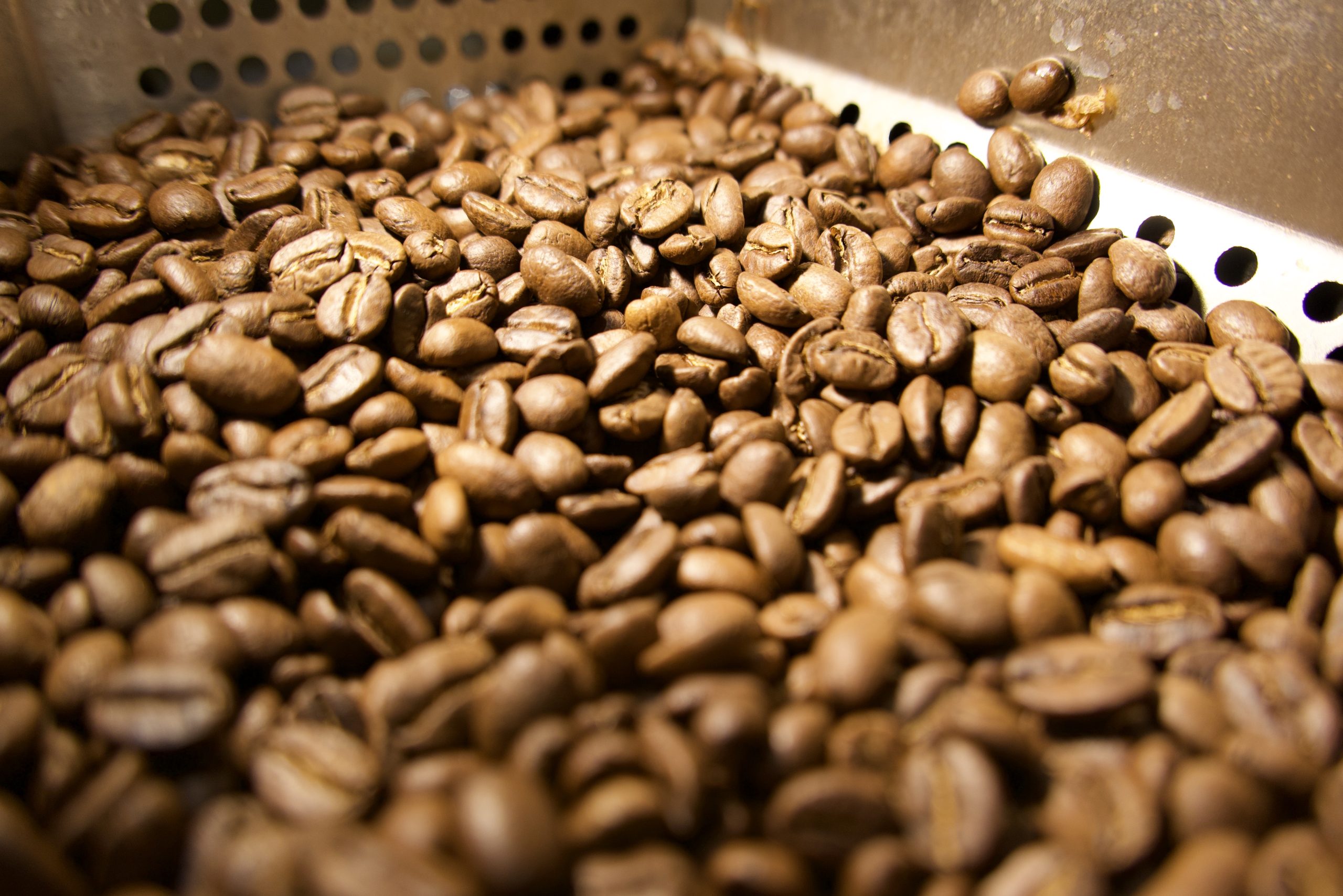
There’s a common assumption that the fresher the coffee, the better. Pull it straight from the roaster, grind it immediately, brew it right away. Freshest possible coffee, best possible cup. Seems logical, doesn’t it?
It’s not quite how it works.
When coffee is roasted, the beans release a huge amount of carbon dioxide — CO₂ that’s been trapped inside during the roasting process. This outgassing, as it’s called, carries on for days after roasting. Brew the coffee too soon and all that CO₂ interferes with the extraction. The gas escapes into your brew water and gets in the way of the flavours you’re actually trying to pull out of the bean. The result can taste sour, astringent — that dry, mouth-puckering sensation you sometimes can’t quite put your finger on — or just oddly flat.
Resting the beans gives that CO₂ time to escape naturally. Then, when you brew, the water can actually do its job.
So how long should you wait?
It depends on the roast, and it depends on how you’re brewing.
As a general guide:
- Filter coffee — rest for around 7–14 days after the roast date.
- Espresso — rest for longer, typically 10–21 days. Espresso is a more intense, pressurised extraction, so it’s even more sensitive to excess CO₂.
- Lighter roasts — tend to need more