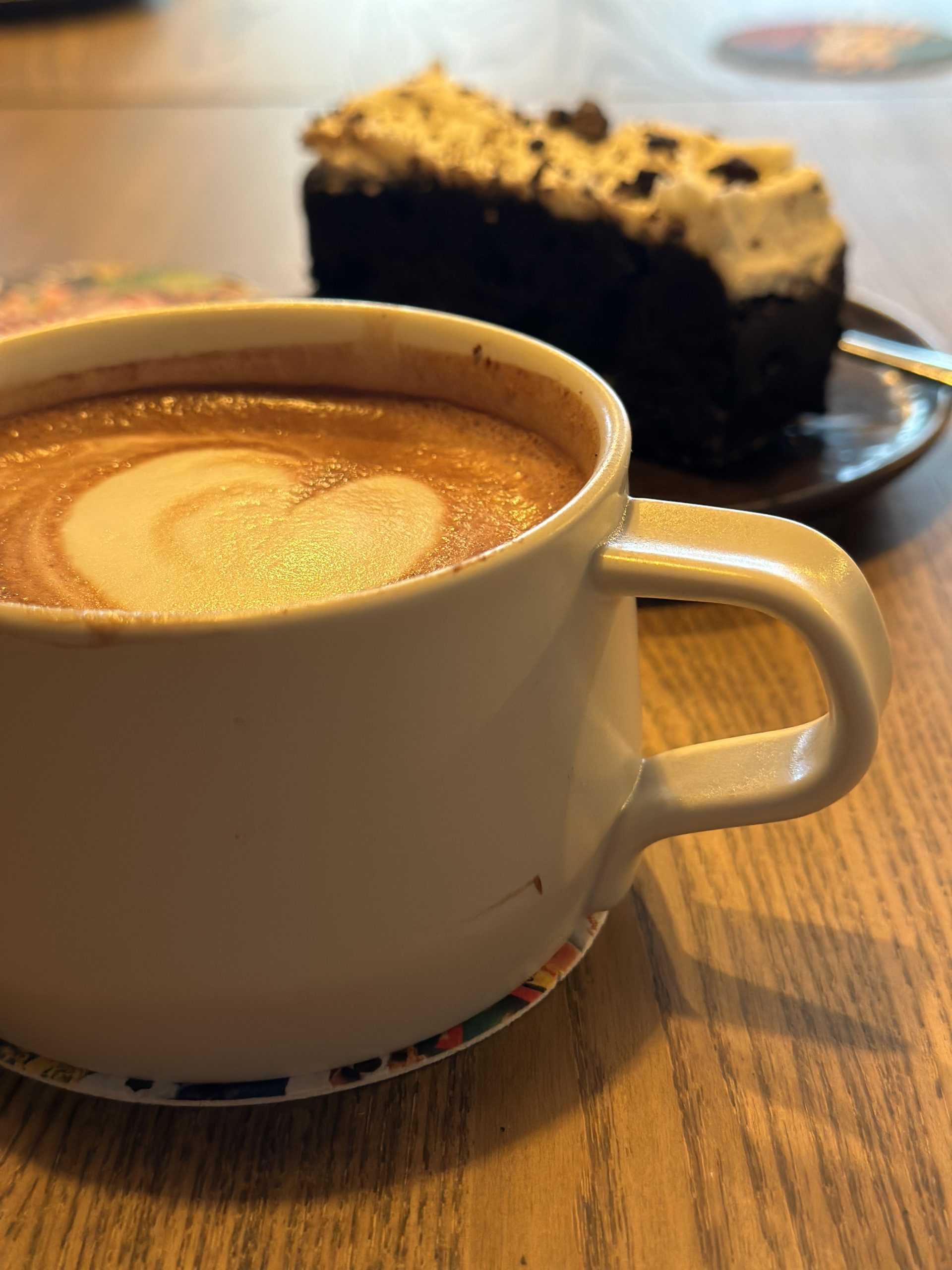
You’ve just unpacked a shiny new espresso machine, tamped down your coffee, pulled your first shot and… it tastes kind of weak. Watery, even. Not the thick, punchy espresso you were imagining. Don’t panic. This is one of the most common things that trips people up, and it’s almost never the machine’s fault.
The grind is probably the culprit
If your espresso tastes thin or watery, the grind size is the first place to look. For espresso, you need coffee ground very fine — finer than filter, finer than cafetière, finer than almost anything else. If water rushes through the coffee puck too quickly, it doesn’t have time to extract properly. The result is a weak, under-extracted shot that lacks body and bitterness.
If your shot takes less than about 20 seconds to pull, your grind is almost certainly too coarse. Aim for somewhere between 25 and 35 seconds for a double shot. Grind finer, and the water slows down and pulls more from the coffee.
Pre-ground coffee from a supermarket is rarely ground fine enough for espresso, even if the packet says “espresso blend”. A decent burr grinder makes an enormous difference — it’s often a bigger upgrade than the machine itself.
Your dose and tamp matter too
How much coffee you’re using and how firmly you’re pressing it down also affects the shot. Too little coffee, or a loose, uneven tamp, and again the water finds an easy path through and the espresso comes out thin.
A standard double shot uses around 18–20 grams of ground coffee. Tamp it down with firm, even pressure — you’re not trying to crush it through the floor, just compact it so the surface is level and consistent.
Check your water temperature
Some cheaper machines don’t reach the right temperature, or they drop off quickly during extraction. Espresso generally wants water around 90–96°C. If your machine is running cold, the coffee won’t extract properly no matter what you do with the grind.
A simple trick: run a blank shot through the machine (no coffee, just water) to warm everything up first. It helps stabilise the temperature before you pull the real thing.
And then there’s the coffee itself
Fresh coffee matters more than people realise. Coffee that’s been sitting in a bag for six months, or that’s been open on the shelf for weeks, will taste flat and lifeless no matter how well you dial everything else in. The volatile compounds that give espresso its punch and aroma fade over time.
That’s part of why we roast to order at Vendum — so what arrives with you is genuinely fresh, not warehouse-fresh. It’s a small thing that makes a real difference in the cup.
A quick checklist if your espresso still feels weak
- Grind finer — this is the most likely fix
- Check your shot time — aim for 25–35 seconds
- Use enough coffee — around 18–20g for a double
- Tamp evenly and firmly
- Warm your machine up before pulling the shot
- Use fresh coffee, ground as close to brewing as possible
Espresso has a reputation for being fiddly, and honestly, it is a bit. There are a lot of variables. But the good news is that most problems come back to grind size, and once you’ve got that sorted, everything else starts to fall into place.
Give it a few attempts. Adjust one thing at a time. You’ll get there.