Before a coffee bean ever gets near a roaster, it has to go through one of the most important — and most overlooked — stages of its life: processing. It’s the step where the actual fruit around the seed (the bit we eventually drink) gets removed, and it has a huge effect on what ends up in your cup.
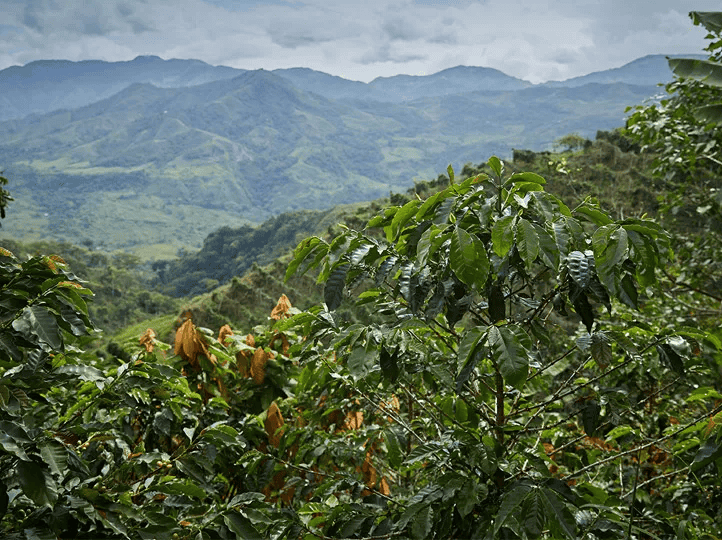
Most people know that coffee comes from a cherry-like fruit. Inside that fruit are two seeds, face-to-face. Those seeds are what we roast. But getting from “small red fruit” to “green bean ready for roasting” takes some doing, and there are a few different ways to go about it.
The three main methods
Washed (or wet) processing is probably the most common. The fruit skin and pulp are removed pretty quickly, and then the beans are fermented in water tanks to break down any remaining sticky mucilage (the gloopy layer between the fruit and the seed). After that, they’re washed clean and dried. Because the fruit isn’t hanging around long, what you tend to get is a cleaner, brighter cup — the character of the bean itself really shines through.
Natural (or dry) processing is the older method. The whole cherry is simply laid out to dry in the sun — fruit and all — for several weeks. The bean absorbs sugars and flavours from the drying fruit as it sits there. The result is usually a heavier, fruitier cup, sometimes with a jammy or winey quality. It’s less predictable, but when it works, it’s spectacular.
Honey processing sits somewhere in between. The skin gets removed, but some or all of