It’s a fair question, and one that gets asked more often than you’d think. Someone on Reddit put it plainly recently: why does everyone assume the small local roaster is automatically better than the big brand? Is it just snobbery? A bit of hipster tribalism? Or is there something genuinely behind it?
Honestly, it’s a bit of all of the above. But let’s unpick it, because the reality is more interesting than either the cynics or the evangelists tend to admit.
The case for small roasters (and it’s a real one)
The biggest practical difference is freshness. Large commercial roasters are working to shelf life. Coffee gets roasted, packed, shipped to a distribution centre, then to a supermarket, then it sits on a shelf. By the time it reaches your cup, it could be months old. Roasted coffee starts to go stale within weeks — the CO₂ that gives it life slowly escapes, and with it goes a lot of the flavour.
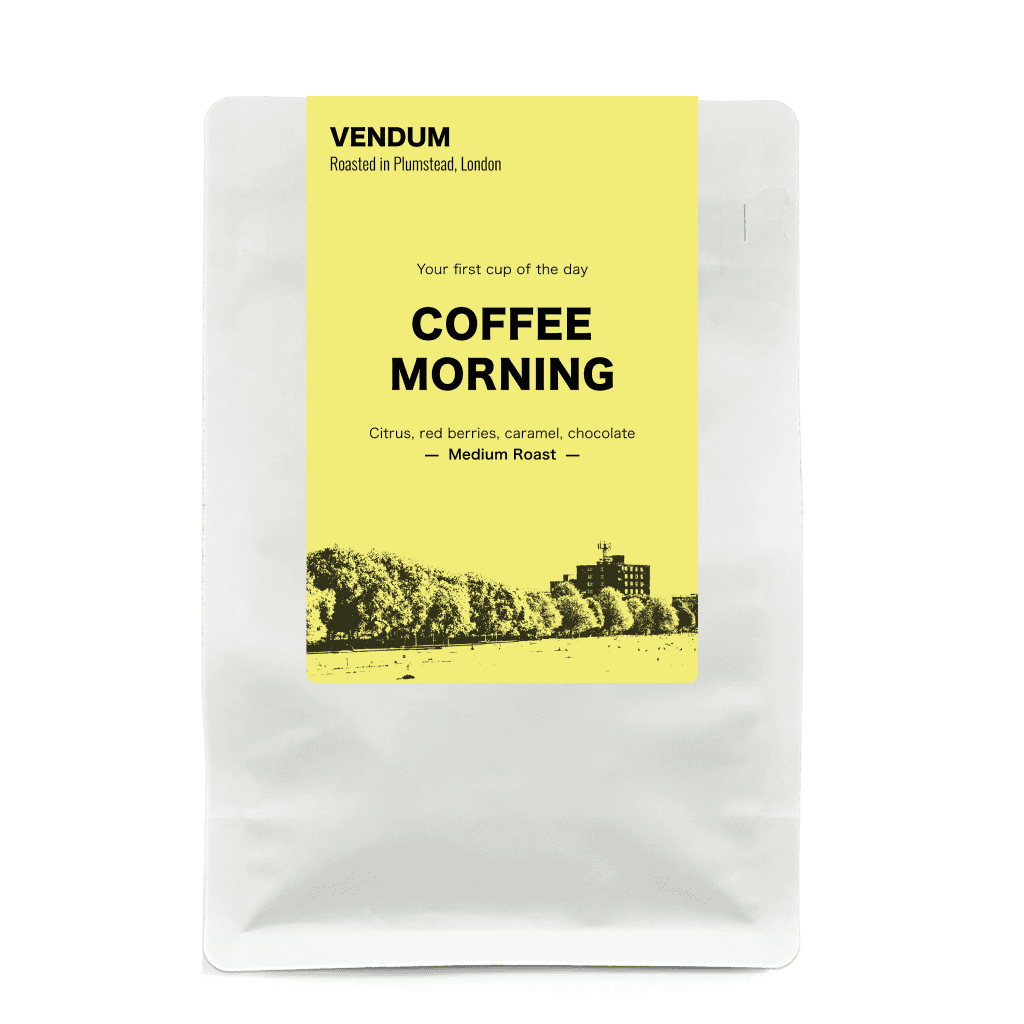
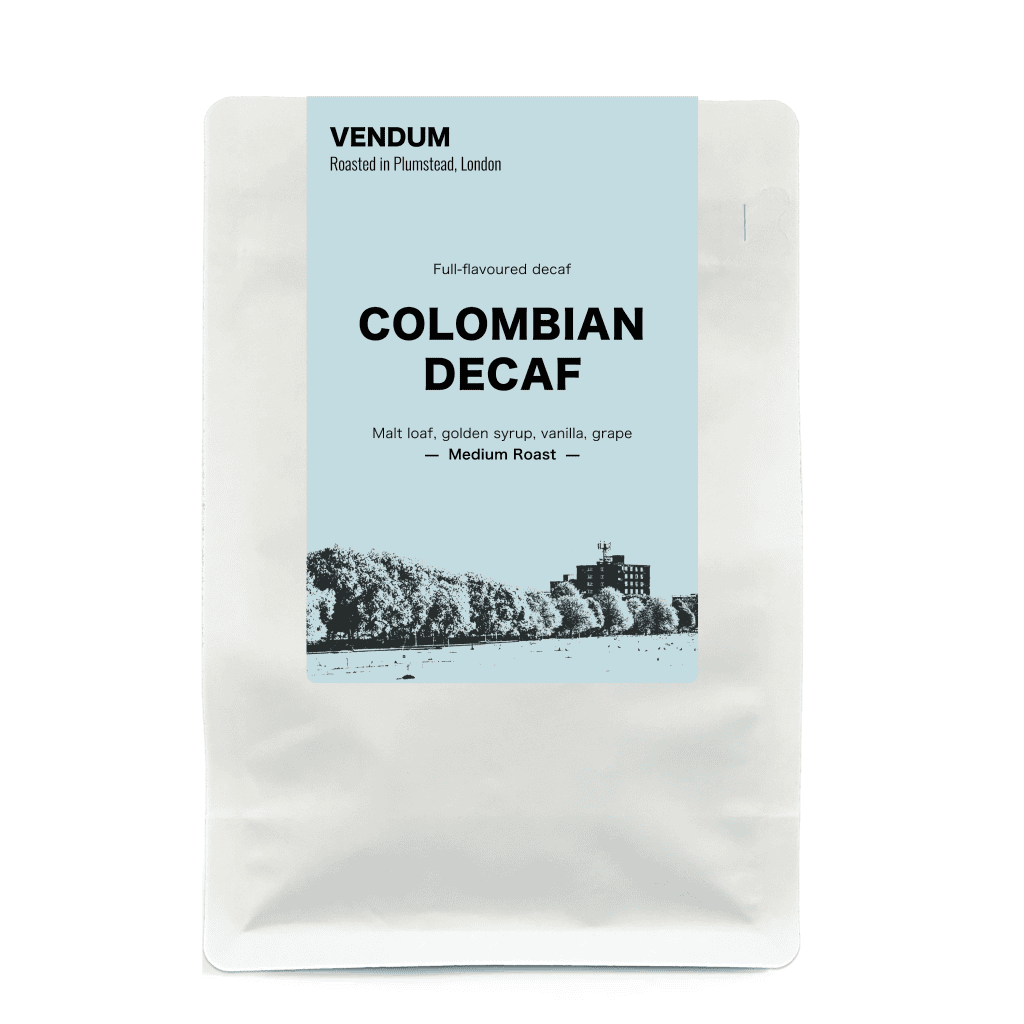
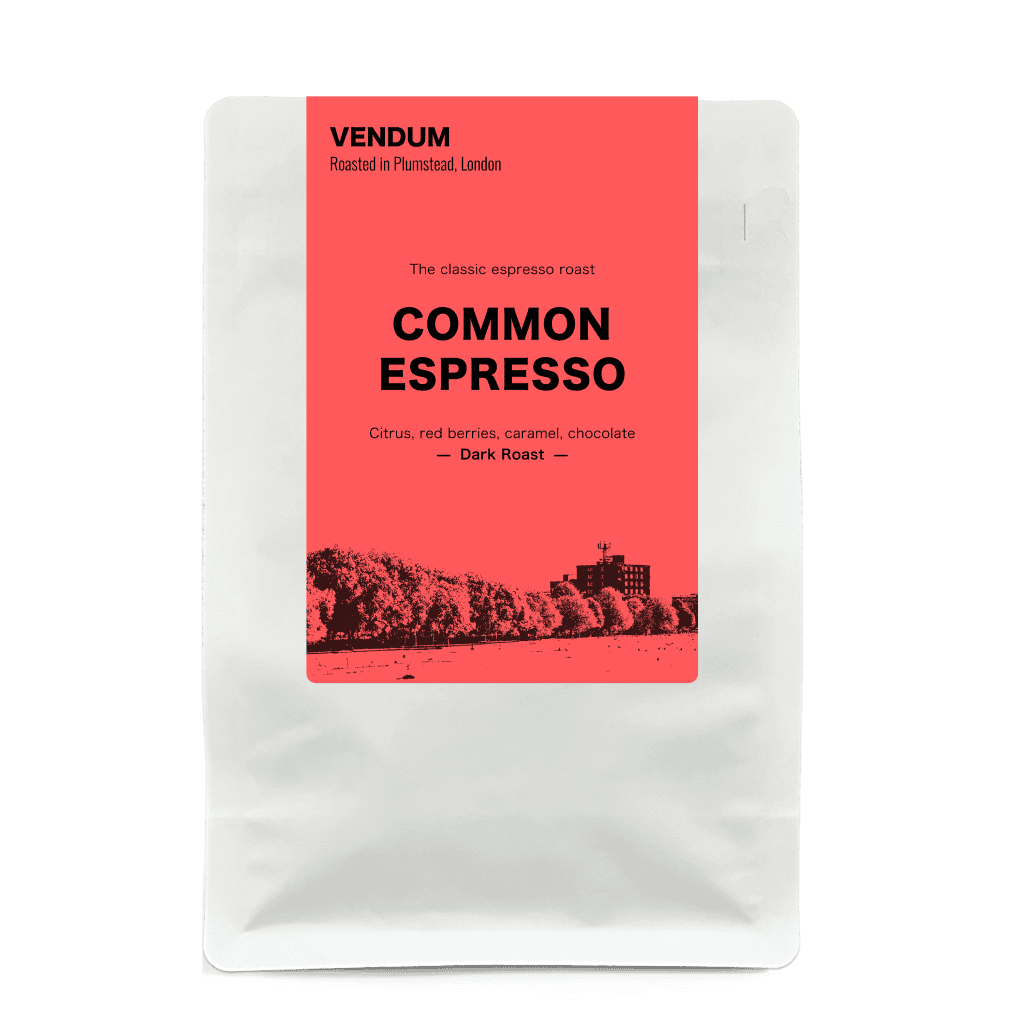
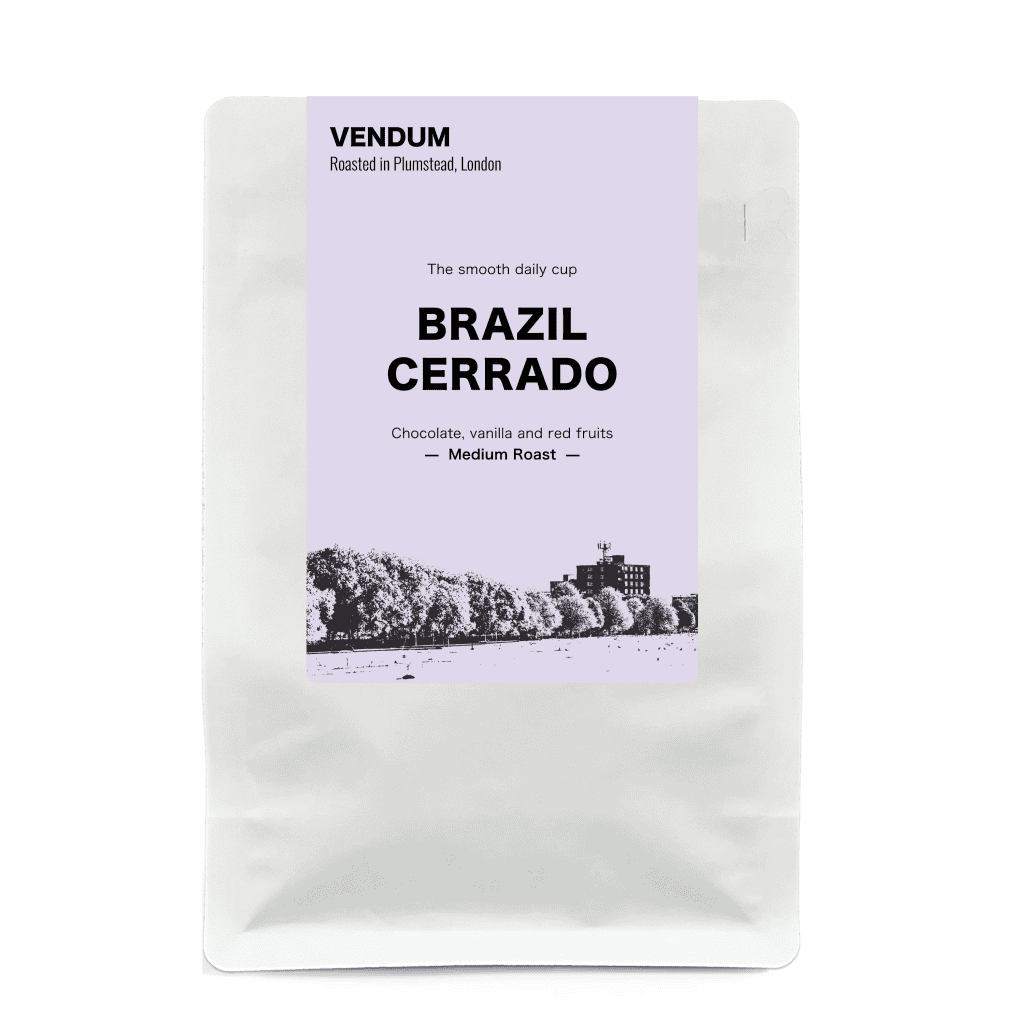
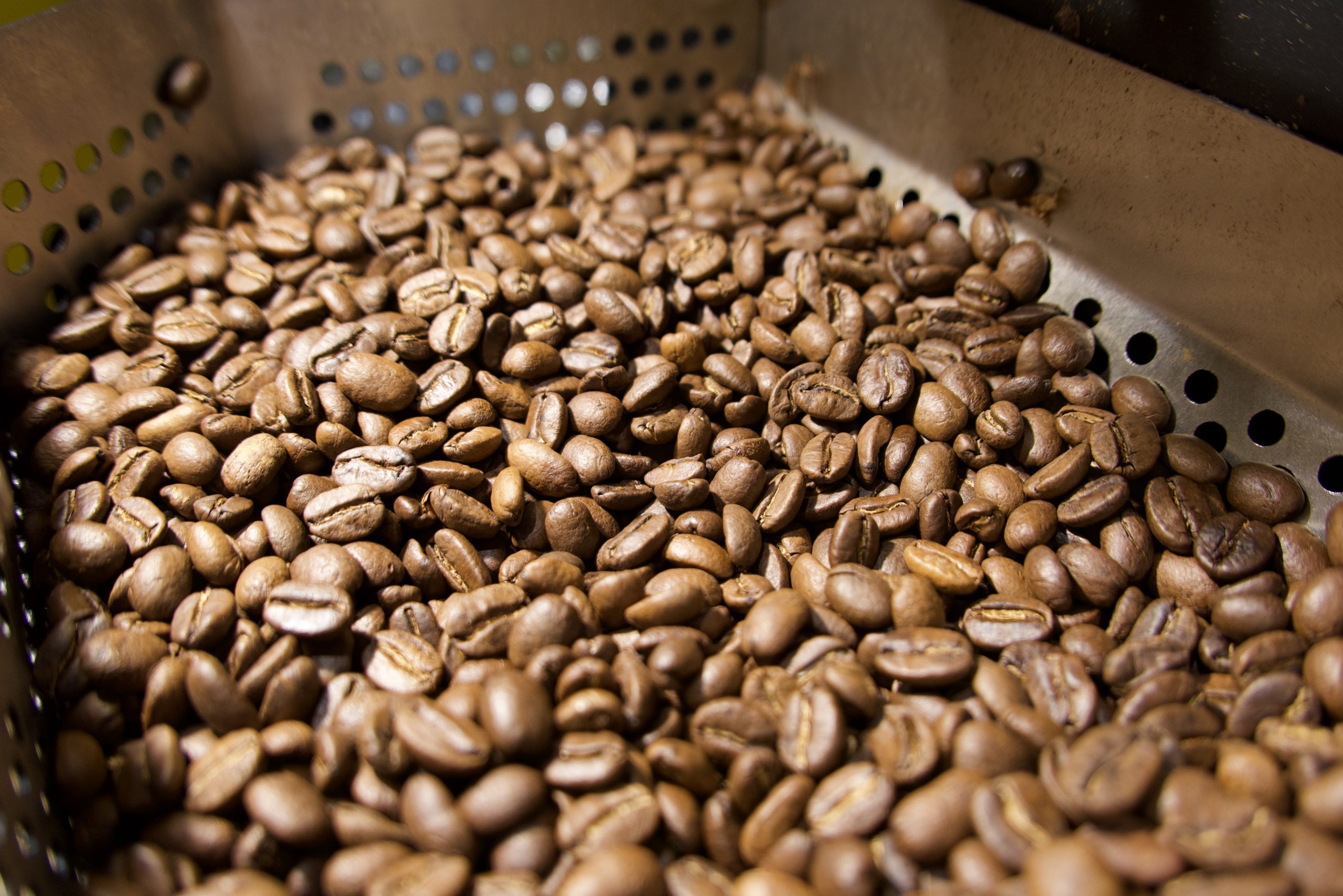
A small roaster roasting to order — which is what we do at Vendum — means the coffee going into your bag was roasted days ago, not months. That actually does make a difference to what’s in the cup. It’s not magic, it’s just freshness.
Small operations also tend to buy in smaller quantities from farms or importers, which means they can be more selective. They’re not locked into buying ten tonnes of a single origin to fill a supermarket contract. They can switch, experiment, and respond to what’s genuinely good in a given season.
Where the assumption gets shaky
Here’s the honest part: being small and independent doesn’t automatically make your coffee good. It just removes some of the structural barriers to it being good.
Roasting well takes time to learn. There are independent roasters who are still figuring it out, and big roasters with serious skill and consistency behind their blends. A bag with a craft aesthetic and a handwritten font isn’t a guarantee of quality. It’s just a bag.
Some of the Reddit thread touched on this — the feeling that independent coffee culture can tip into gatekeeping, where liking a certain kind of coffee becomes a personality trait rather than just a preference. That’s worth being honest about. Good coffee should be welcoming, not a club.
So what’s actually worth caring about?
A few things tend to separate coffee that’s genuinely looked after from coffee that isn’t:
- Roast date, not best before. If a bag tells you when it was roasted, that’s a good sign. If it only tells you when it expires, someone’s hiding something.
- Transparency about origin. Not every bag needs a novel about the farm, but knowing roughly where beans are from and how they’re processed tells you the roaster is paying attention.
- Consistency. A roaster who cares will produce coffee that tastes like it’s supposed to, batch after batch.
Independent roasters tend to score better on these things simply because they have more to lose if they don’t. Reputation travels fast in a small community. A bad batch matters to us in a way it might not to a brand shifting millions of units.
But the assumption of quality still has to be earned. We’d rather you try our coffee and decide for yourself than take it on faith because we’re local and small-batch. That’s the only honest position to take.
The Reddit thread asked a good question. The answer isn’t “independents are always better.” It’s more like: the conditions that tend to produce better coffee are more likely to exist at a small roaster. Which isn’t quite as snappy, but it’s closer to the truth.