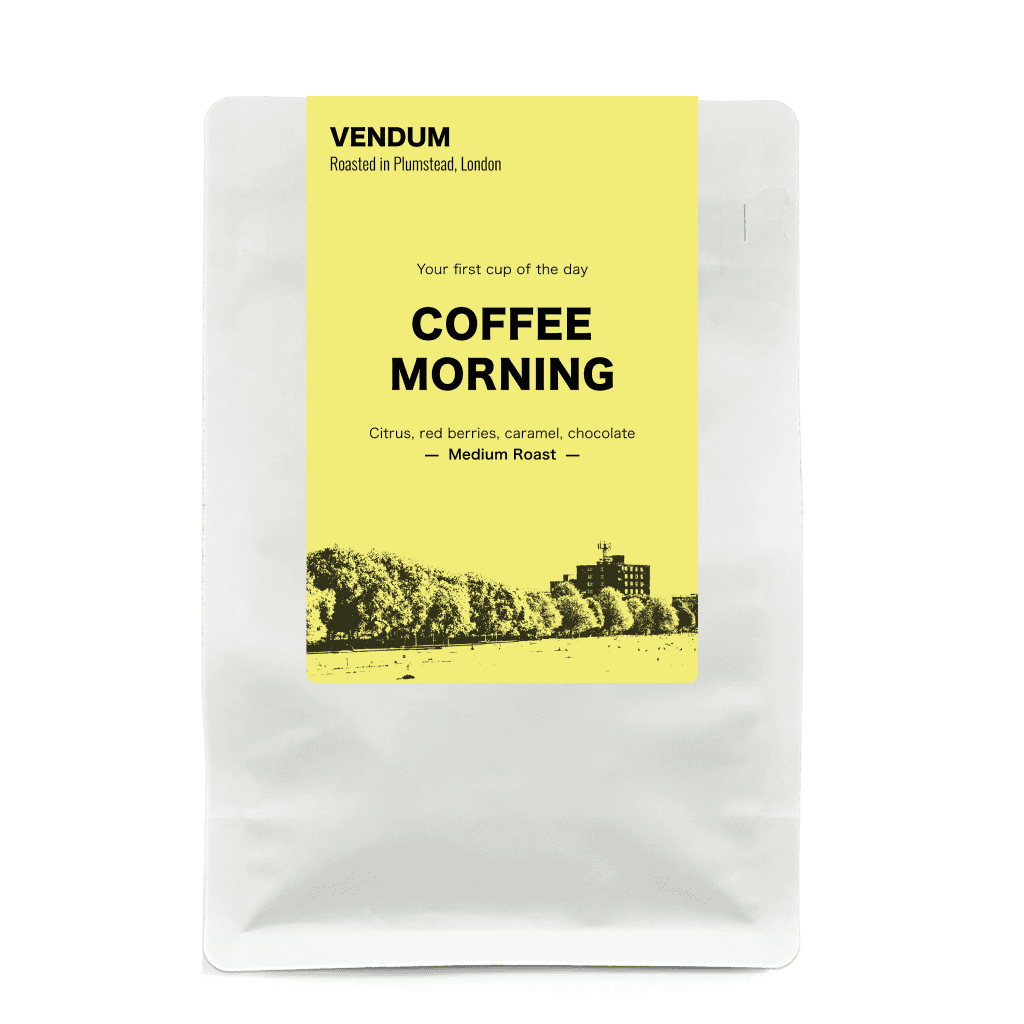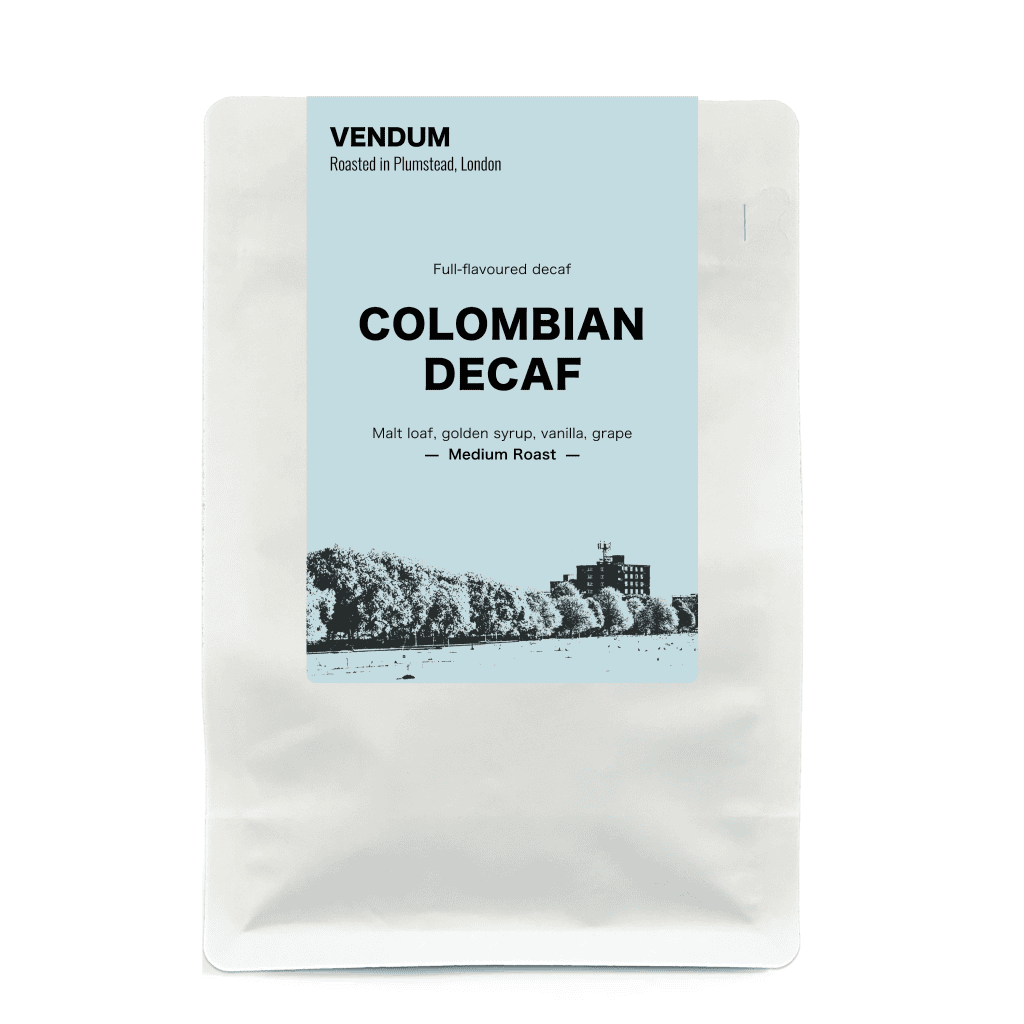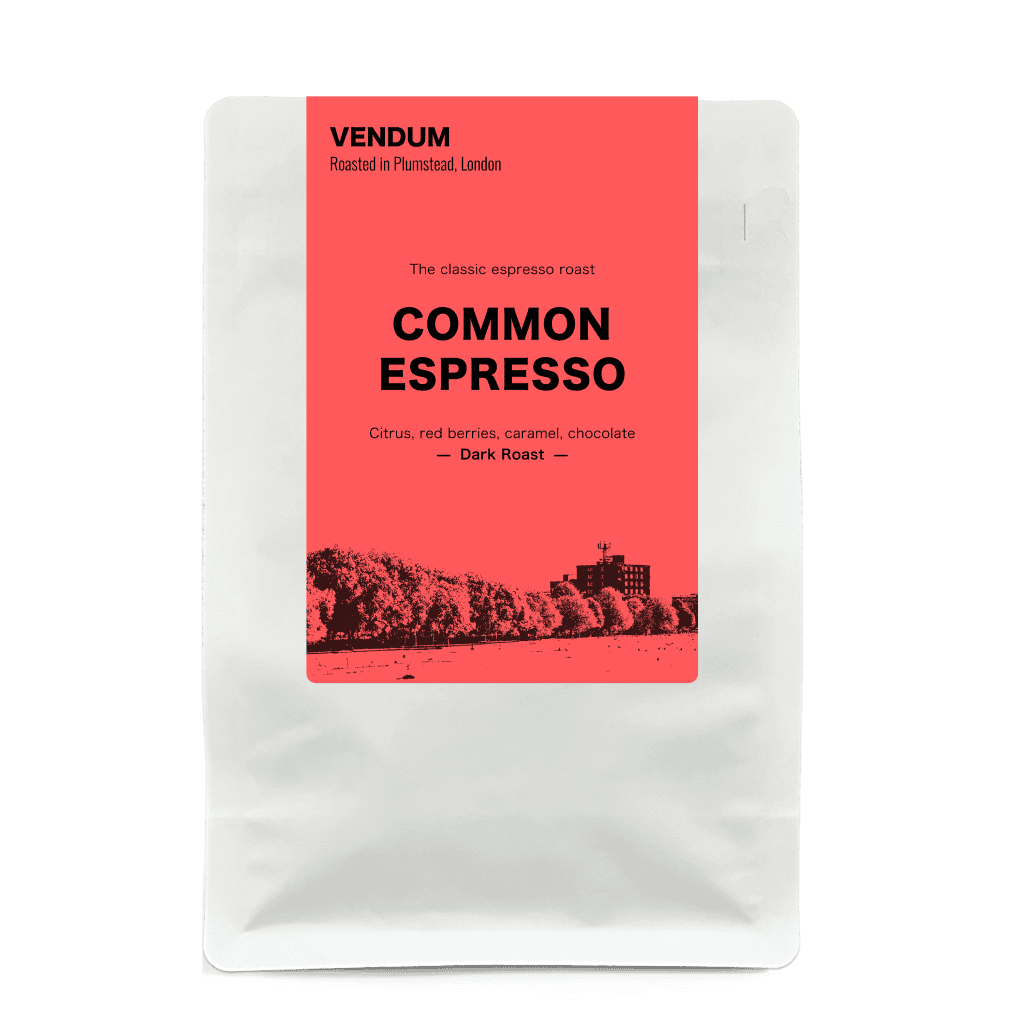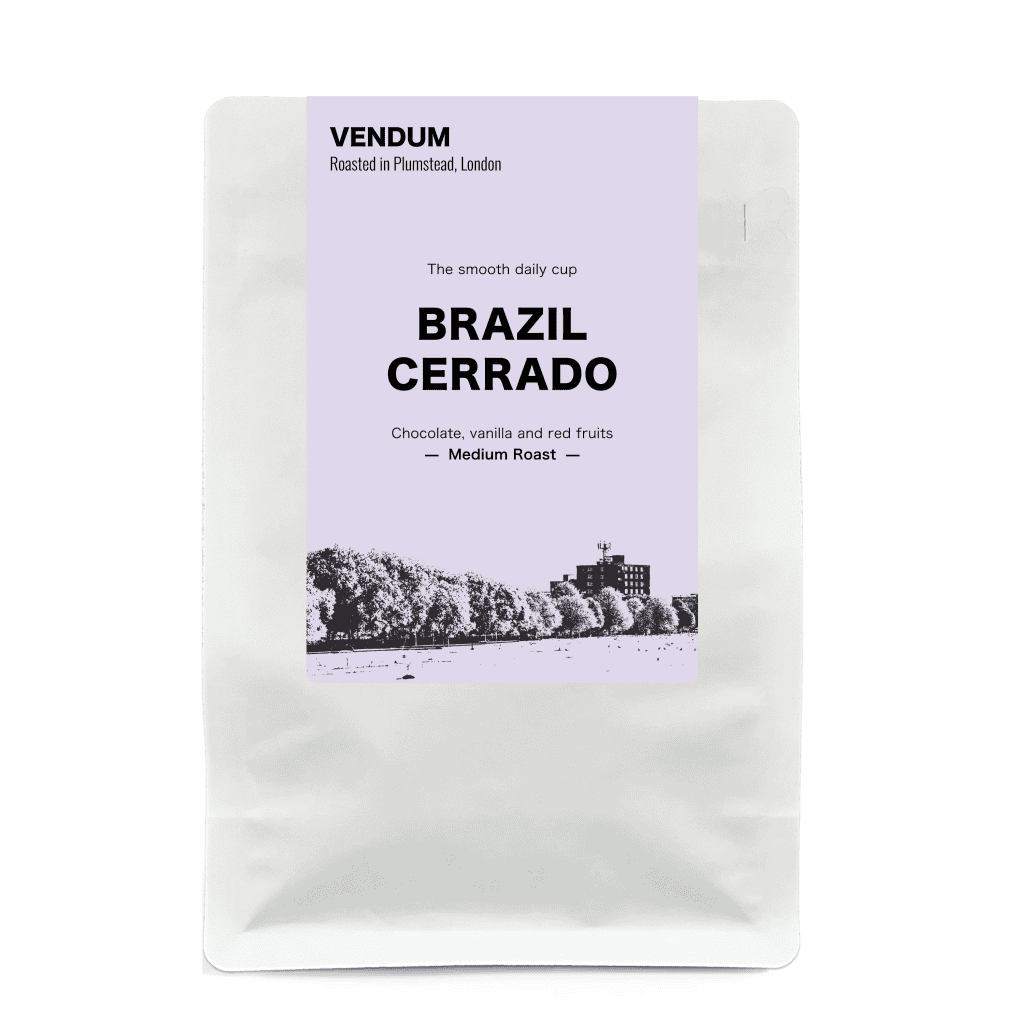
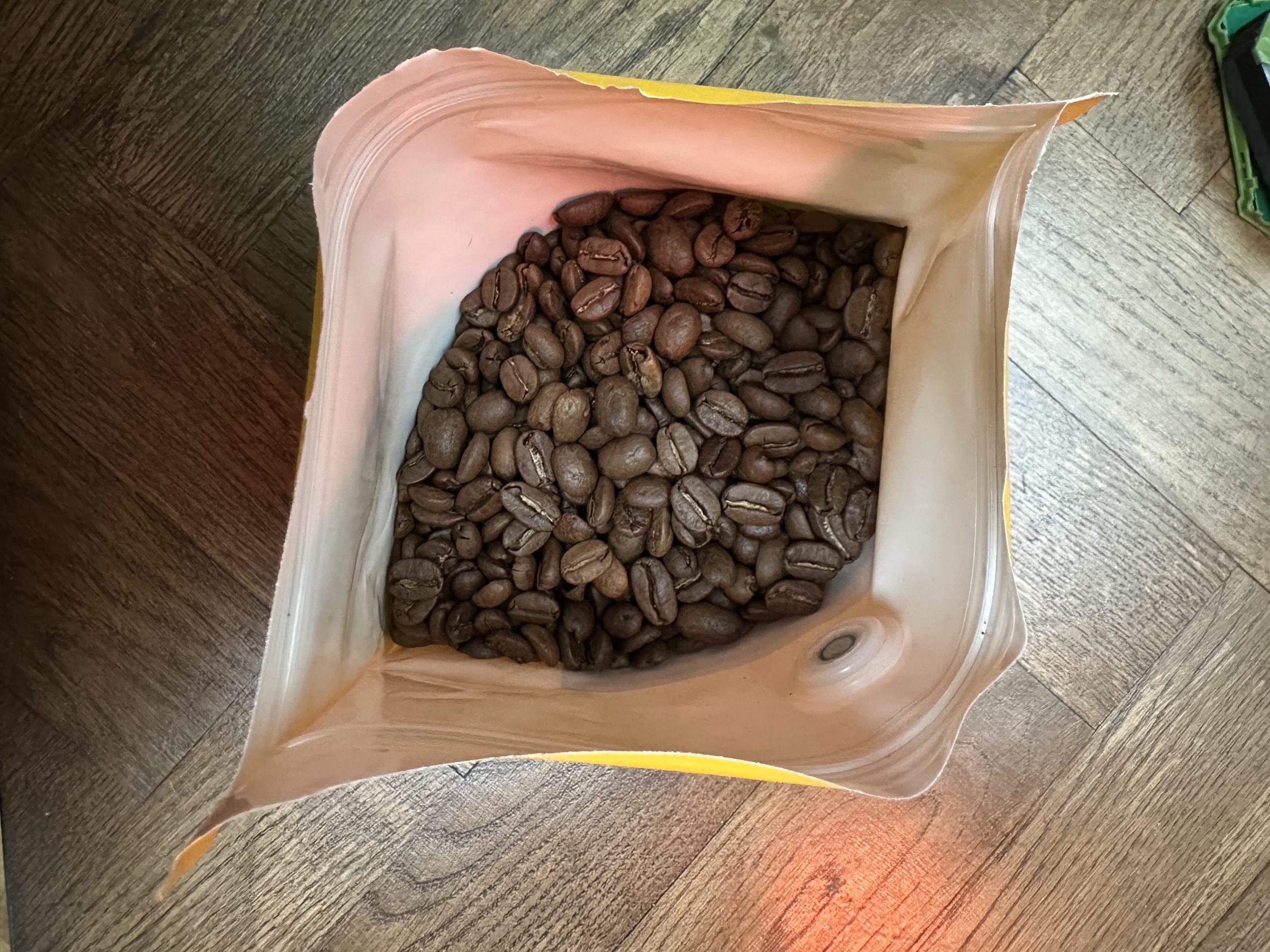
Most people, at some point, have wondered whether speciality coffee is just regular coffee with a fancier price tag. It’s a fair question. The shelves are full of bags making bold claims, and it can feel like the whole thing is a bit of a racket designed to part you from your money.
It isn’t, though. There’s a real and meaningful difference — and once you understand it, you can’t really unknow it.
It starts at the farm
Commodity coffee — the stuff that fills most supermarket shelves — is grown, harvested and processed purely for volume. Different beans from different countries get blended together, roasted dark to iron out any inconsistencies, and the result is something reliably inoffensive. It does the job.
Speciality coffee works differently from the ground up. The term actually has a specific meaning: beans that score 80 points or above on a 100-point scale assessed by trained tasters called Q Graders. To hit that score, everything has to go right — the variety of plant, the altitude, the soil, the way the cherries are picked (usually by hand, selecting only the ripe ones), and how they’re processed after harvest.
The farmers involved generally get paid more for it, too. That matters — both for the people growing the coffee and for the consistency of what ends up in your cup.
What actually ends up tasting different
Dark roasting is brilliant at hiding flaws. Burn anything long enough and it starts to taste the same. Commodity coffee leans on this. Speciality coffee doesn’t need to.
Because the beans are higher quality to begin with, roasters can afford to roast lighter — which means the natural flavours of the coffee itself come through. That’s where you get things like fruit, chocolate, floral notes, or a natural sweetness that doesn’t need sugar to exist. Not because anyone’s added anything. Just because that’s what was always in the bean.
It can take a bit of getting used to if you’ve only ever drunk darker, more bitter coffee. But most people, once they try it properly made, find they actually prefer it.
So what about everything in between?
Worth mentioning: not all coffee that calls itself speciality actually is. The word isn’t properly regulated on packaging, so some brands use it loosely. A few things worth looking for if you want the real thing:
- The roast date is on the bag (freshness matters more than most people realise)
- The origin is specific — a country, region, or ideally a named farm or cooperative
- The roaster can tell you something about where it came from
Traceability isn’t just a buzzword. It’s how you know someone, somewhere along the chain, actually cared about what they were doing.
Does it have to be complicated?
No. This is important. You don’t need specialist equipment, a precise pour-over ritual, or a grinder that costs more than a decent bicycle. Good coffee brewed simply — even in a cafetière — will taste noticeably better when the beans are fresher and higher quality. The method helps, but it’s not where the difference starts.
At Vendum, we roast in small batches to order, which means the coffee gets to you fresh rather than sitting in a warehouse for months. That’s not us being precious about it. It just genuinely makes a difference to what ends up in your mug.
Speciality coffee isn’t about being fussy. It’s just about knowing what you’re drinking, and why it tastes the way it does.