It’s one of the most common questions in coffee. You’ve been enjoying decent brews at home, someone hands you a proper espresso, and suddenly you’re down a rabbit hole of machine reviews, wondering if you should just take the plunge.
Short answer: maybe. But it’s worth being honest with yourself first, because espresso is a different beast entirely — and the entry price is steeper than most people expect.
What you’re actually signing up for
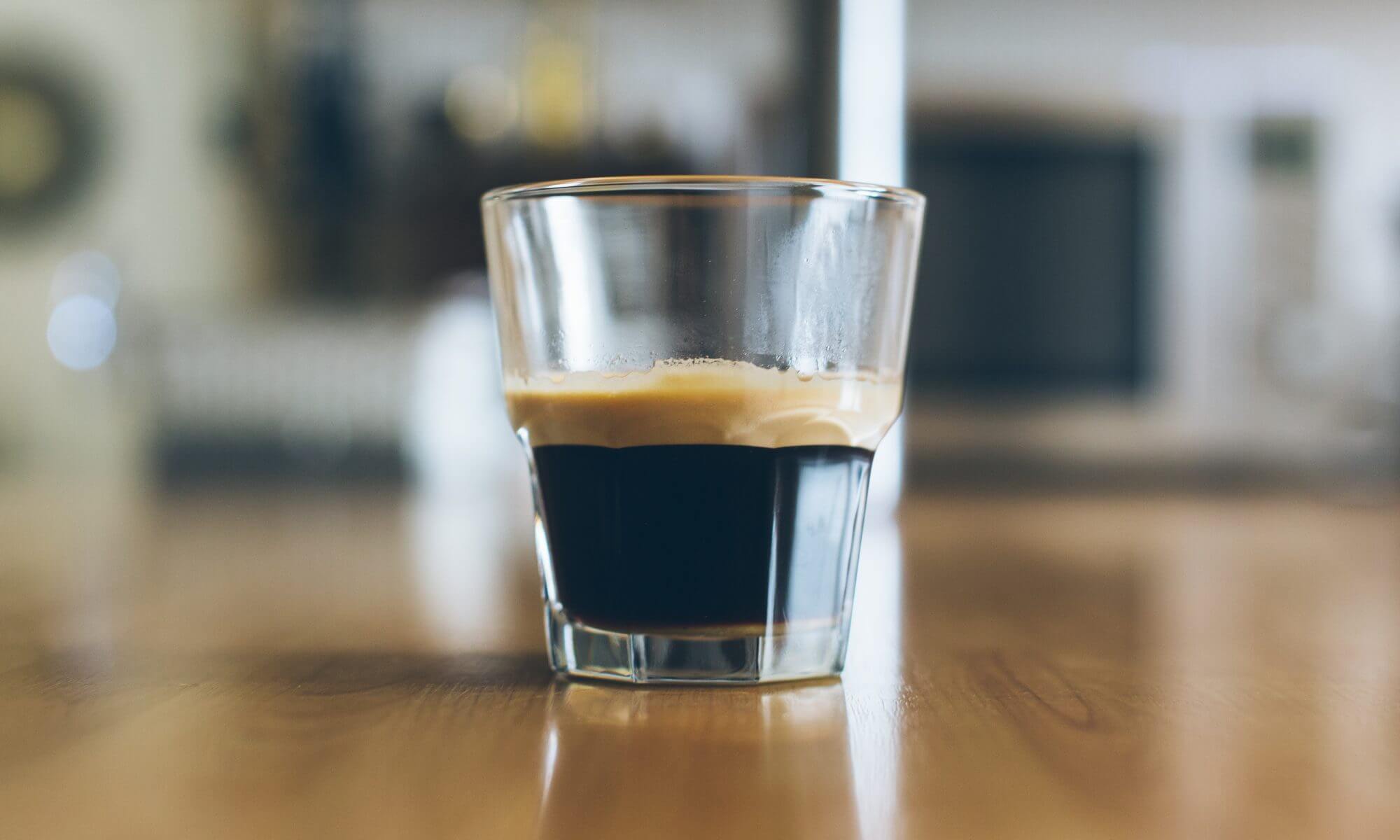
Espresso is coffee brewed under pressure — around nine bars of it — forcing hot water through a tightly packed puck of very finely ground coffee in about 25–30 seconds. That pressure is what creates the concentrated shot and the crema (that reddish-brown foam on top).
The thing is, that same pressure that makes espresso so delicious also makes it unforgiving. Every variable matters: the grind size, how much coffee you use, how firmly you tamp it down, water temperature, the machine itself. Pull everything slightly wrong and you’ll taste it immediately.
Filter coffee — a cafetière, a V60, an AeroPress — is far more forgiving. You can fudge a few things and still end up with something genuinely good. With espresso, there’s less hiding place.
The gear question
Here’s where people often come unstuck. A halfway-decent espresso machine will set you back a few hundred pounds at minimum. But the machine is only half the story. To get consistently good espresso at home, you need a grinder that can produce a fine, even grind — and a grinder capable of that costs serious money too.
Buy a cheap machine with a cheap grinder and you’ll spend months frustrated, wondering why your espresso tastes bitter or sour or just… flat. It won’t be operator error. It’ll be the equipment.
If budget is tight, you’re almost certainly better off spending that money on a good grinder and a simpler brew method. You’ll get better coffee for less.
So who should get an espresso machine?
Honestly? It makes sense if:
- You drink milk-based drinks regularly — flat whites, lattes, cappuccinos. Espresso is the foundation of all of them.
- You’re genuinely curious about the process and don’t mind tinkering. Dialling in a shot can be deeply satisfying once it clicks.
- You’ve got the budget for both a decent machine and a decent grinder. The two go together.
- You’re happy to take your time learning. This isn’t set-and-forget territory.
If you mainly drink black coffee and just want something straightforward and delicious, a good filter setup will serve you far better — and leave money in your pocket.
One more thing worth saying
Whatever brew method you use, the coffee itself still matters enormously. Fresh coffee — properly roasted and used within a few weeks — makes a noticeable difference, especially with espresso where there’s nowhere to hide a stale bean.
That’s not us saying that because we roast to order. It’s just true. Stale coffee is one of the most common reasons home espresso disappoints, and it’s an easy fix.
If you do decide to go down the espresso route, take your time with the research, set a realistic budget that includes the grinder, and be patient with yourself while you learn. It does get easier. The shots do get better.
And if you decide it’s not for you — there’s no shame in that. A well-made cafetière is still a lovely thing.