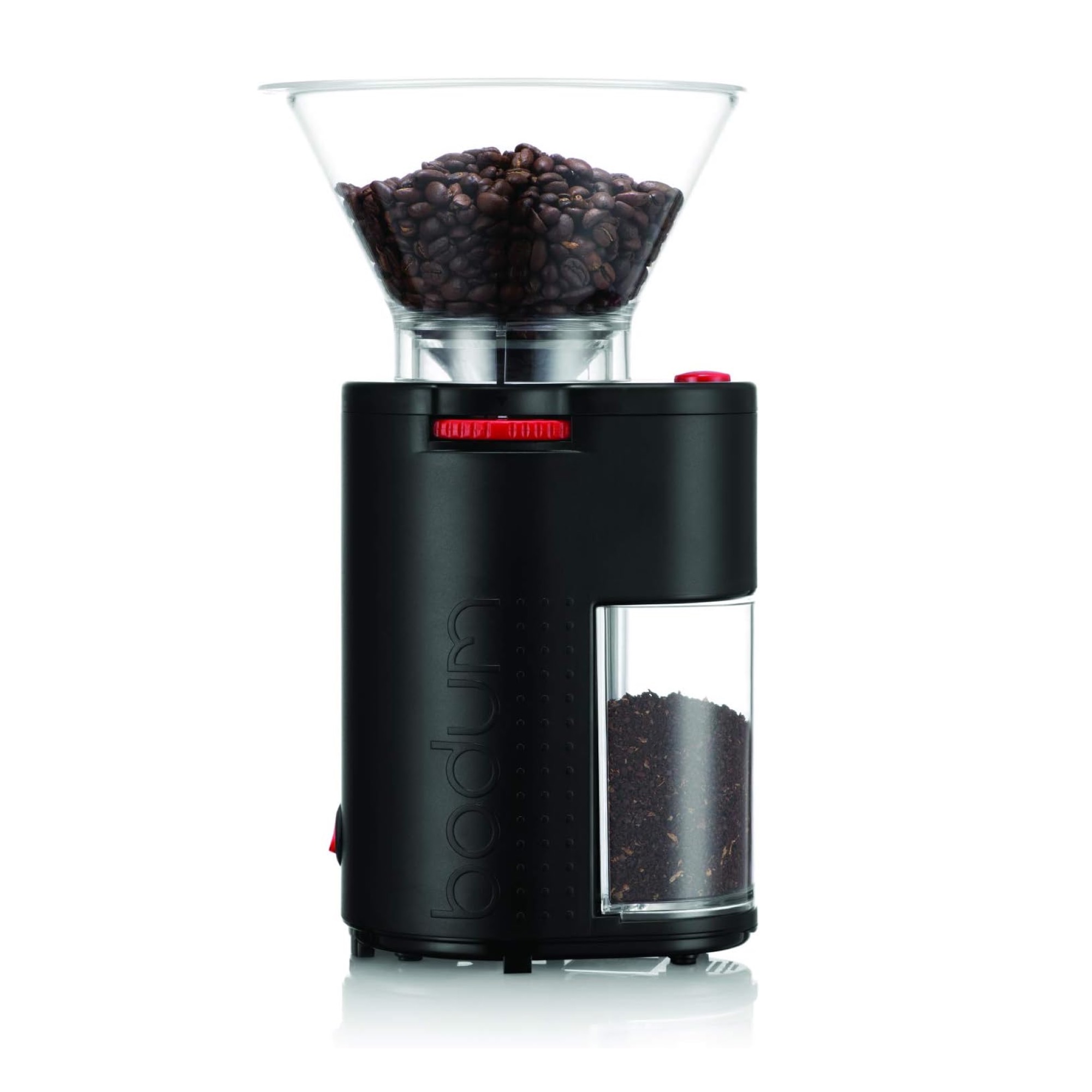
Someone posted on Reddit the other day asking which grinder to start with. Hundreds of replies, lots of conflicting opinions, a few arguments about burr geometry. Classic coffee internet. But underneath all the noise, it’s actually a pretty simple question — and one worth answering properly.
So here’s our honest take, without the drama.
Why the grinder matters more than you’d think
Fresh coffee, ground just before brewing, tastes noticeably better than pre-ground. That’s not snobbery — it’s just how it works. Coffee starts going stale within minutes of being ground, as the surface area exposed to air increases massively. A good grinder is what unlocks the flavour you’ve actually paid for.
The other thing worth knowing: grind consistency matters. You want all your coffee particles to be roughly the same size. If they’re not — some too fine, some too coarse — you end up with an uneven brew. The fine bits over-extract and taste bitter; the coarse bits under-extract and taste weak. Both in the same cup. Not ideal.
Blade grinders: just don’t
You’ll find cheap blade grinders everywhere. They work by spinning a little metal blade around at speed, essentially chopping the coffee rather than grinding it. The result is inconsistent particle sizes, heat damage from friction, and a cup that never quite tastes right. If you’ve got one already, it’s not the end of the world — but if you’re starting fresh, skip it.
Burr grinders: the starting point
A burr grinder uses two abrasive surfaces (the burrs, funnily enough) that crush the beans in the gap between them. Adjust the gap and you adjust the grind — wider for a cafetière, tighter for espresso. Because every bean has to pass through the same gap, the particles come out a consistent size, and your brew extracts evenly. That’s the whole trick. Nothing mystical about it.
Hand or electric?
Start with a hand grinder. Honestly. For the same money, a hand grinder nearly always has better burrs than an electric one, because you’re not paying for a motor, a housing and a load of plastic. They’re quiet, they don’t hog counter space, and the decent ones will outlast most kitchen appliances.
The trade-off is your arm. Expect thirty to sixty seconds of cranking per cup. For one or two coffees a day, that’s a pleasant little ritual. For a house full of espresso drinkers, it gets old fast — and that’s the point where an electric burr grinder earns its place on the counter.
Match it to how you brew
One thing the Reddit thread got right: your brewing method decides how fussy your grinder needs to be. A cafetière, filter machine or AeroPress is forgiving — almost any burr grinder will do a proper job. Espresso is the demanding one. It needs a very fine grind and tiny, repeatable adjustments, which is why espresso-capable grinders cost more. If you’re not making espresso, don’t pay for espresso capability.
The honest bottom line
A modest hand burr grinder and a bag of freshly roasted beans will beat an expensive machine fed with stale pre-ground, every single time. Start small, learn what you like, and upgrade when your curiosity — not the internet — tells you to.
And if you’re not ready for a grinder just yet, no judgement. Order your beans ground, keep the bag sealed, and use them within a couple of weeks. We roast to order, so at least they’ll be starting from fresh.