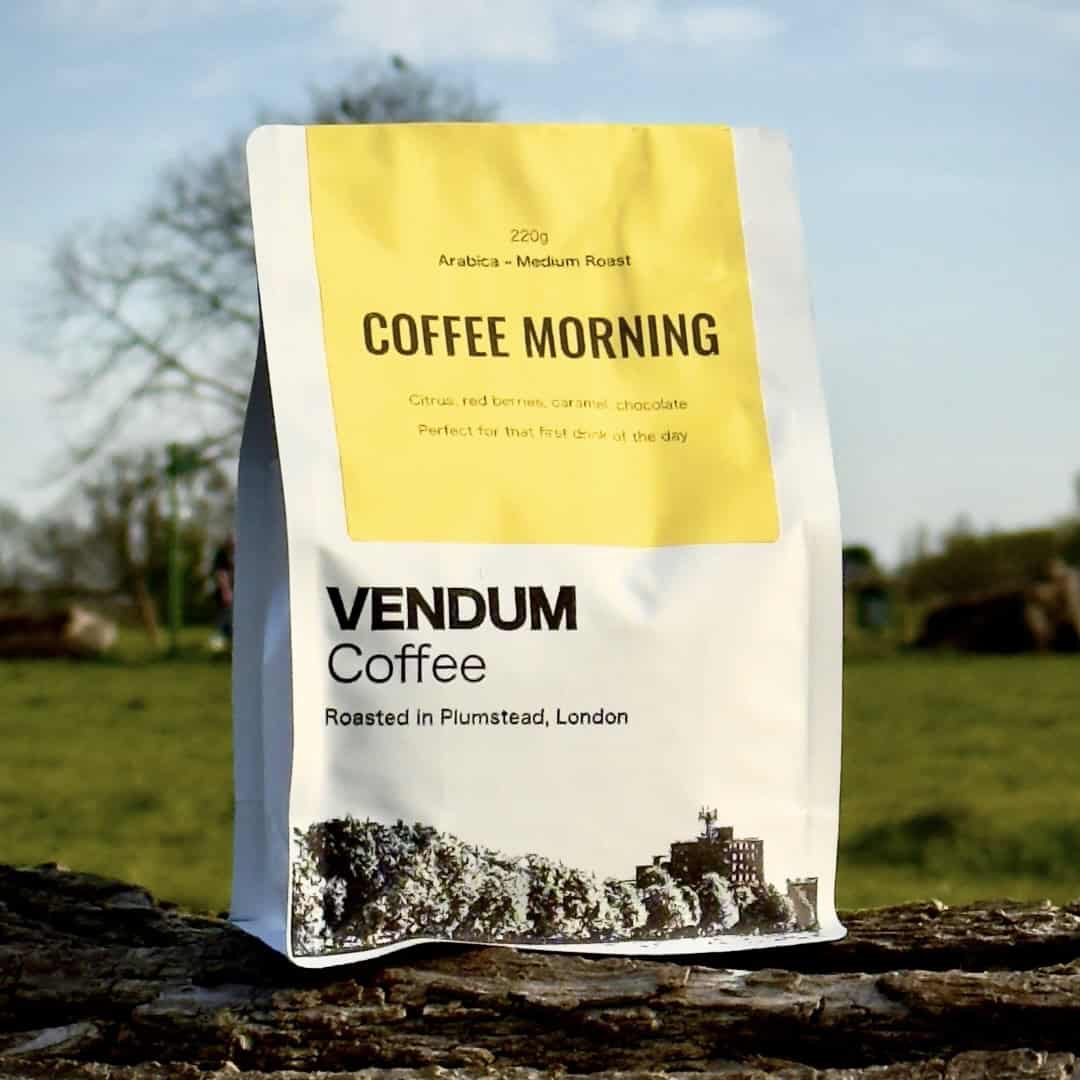
It’s a fair question. You hand over what feels like a lot of money for a small bag of coffee, and part of you wonders whether you’ve been had. We get it. So let’s talk about where that money actually goes.
It starts long before the roaster
Most of the cost in a bag of speciality coffee has nothing to do with us. It happens thousands of miles away, on a farm, usually at high altitude, usually tended by a small family or cooperative who’ve spent years — sometimes generations — refining what they do.
Speciality coffee is graded. To qualify, beans have to score 80 or above on a 100-point scale assessed by trained tasters. That means very few defects, a clear and distinctive flavour, and careful handling all the way from cherry to export. Farmers who hit that standard can charge more for their crop, and rightly so. It’s skilled, labour-intensive work.
Picking is often done by hand, cherry by cherry, selecting only the ripe ones. Processing — the method used to remove the fruit from the bean — takes days or weeks and requires close attention. Get it wrong and the quality drops. There’s no conveyor belt fix for that.
Then there’s the supply chain
Commodity coffee — the stuff in big commercial tins — is bought and sold on futures markets, where the price is set globally and has almost nothing to do with quality or the farmer’s actual costs. It’s kept cheap partly because the people growing it are paid very little.
Speciality works differently. Prices are negotiated directly or through importers who know the farms personally. That transparency costs more, but it